
Purina Pro Plan, launched in 1986 and owned by Nestlé Purina, is one of the most widely fed kibble brands in the world. The brand positions itself on science: on-staff veterinary nutritionists, AAFCO feeding trials on nearly every recipe, owned US factories and full WSAVA alignment. Few competitors can match that level of research investment. Still, the ingredient decks tell another story, heavy on corn derivatives, by-product meals and plant protein boosters, so let’s take a closer look at the strengths and weaknesses of this brand.
Purina Pro Plan Dog Food: Pros and Cons
Quick verdict: Purina Pro Plan is a science-heavy, mid-range kibble brand. It excels on feeding trials, veterinary formulation and manufacturing safety, but relies on by-product meals, split corn fractions and synthetic additives that keep it below premium ingredient standards.
✅ Pros of Purina Pro Plan
- Named fresh meat leads every formula: chicken or salmon consistently listed first.
- AAFCO feeding trials: real animal feeding tests, not just formulation on paper.
- Veterinary formulation: recipes developed by on-staff nutritionists, fully WSAVA aligned.
- Guaranteed live probiotics (Bacillus coagulans) in many recipes for digestive health.
- Natural preservation: mixed tocopherols instead of BHA, BHT or ethoxyquin.
- Guaranteed EPA and DHA in several recipes, plus glucosamine for joint support.
- Known manufacturing: made in Purina-owned US facilities with strong quality control.
❌ Cons of Purina Pro Plan
- Poultry by-product meal in most chicken recipes, a vague low-cost protein source.
- Heavy corn splitting: corn gluten meal, whole grain corn and corn germ meal often stacked in one recipe.
- High-GI grains placed high: rice, corn and wheat in the top 5 of nearly every formula.
- Carbohydrates frequently between 31 and 38%, above the optimal range for dogs.
- Menadione sodium bisulfite (synthetic vitamin K3) present across the range.
- Sodium selenite used instead of more bioavailable selenium yeast.
- Plant protein dilution: corn gluten and soybean meal inflate the headline protein figure.
- Not human-grade: feed-grade ingredients, no disclosure of ingredient origins.
- Reliance on extrusion cooking with multiple high-heat steps, reducing nutrient retention and requiring heavy supplementation.
Purina Pro Plan Adult Shredded Blend Chicken & Rice

54/100
Fat content: 🟢 16%
Ash content: ❓ Non-specified (est. ~7.5%)
Fiber content: 🟢 3%
Moisture content: 🟢 12%
Calcium content: 🟢 1.0%
Phosphorus content: 🟢 0.8%
Metabolizable energy: ~4100 kcal/kg
Omega-3 content: ❓ Non-specified
Omega-6 content: 🟢 1.5%
Carbohydrate content: 🔴 ~35.5%
Protein-to-calorie ratio: 🔴 ~63
Calcium-to-phosphorus ratio: 🟢 1.25
Animal protein content: 🟠 60-70%
High-glycemic ingredients: 🔴 Rice 2nd, wheat 3rd, corn
Corn/wheat/soy content: 🔴 Intensive use
Chelated minerals: 🟢 Proteinates
Chicken sits proudly at the top of the list, and Purina deserves credit for what surrounds the bag: AAFCO feeding trials, on-staff veterinary nutritionists and live probiotics (Bacillus coagulans) guaranteed at 600 million CFU/lb. Few brands at this price can say the same. The Ca/P ratio of 1.25:1 is well balanced, and minerals come partly in chelated (proteinate) form, a nice surprise at this tier.
The regrettable: right behind the chicken you’ll find whole grain wheat, poultry by-product meal, soybean meal and corn gluten meal. That’s a lot of plant protein boosters and vague animal scraps propping up the 26% protein figure. We estimate carbohydrates near 35.5%, too high for our taste, and corn matters here since it triggers the strongest glycemic response of common starch sources in dogs (1). The PCR of roughly 63 falls well short of the optimal 80 to 110 band; research suggests protein turnover peaks closer to 32% dietary protein (2). Sodium selenite rather than selenium yeast rounds out the cost-saving choices.
Verdict: solid science, mediocre ingredient deck. A reliable budget pick for a healthy, moderately active adult, but don’t call it premium.
Purina Pro Plan Sensitive Skin & Stomach Salmon & Rice
59/100
Fat content: 🟢 16%
Ash content: ❓ Non-specified (est. ~7.5%)
Fiber content: 🟢 4%
Moisture content: 🟢 12%
Calcium content: ❓ Non-specified
Phosphorus content: ❓ Non-specified
Metabolizable energy: ~4150 kcal/kg
Omega-3 content: 🟠 EPA 0.25% guaranteed
Omega-6 content: 🟢 1.5%
Carbohydrate content: 🟠 ~34.5%
Protein-to-calorie ratio: 🔴 ~63
Calcium-to-phosphorus ratio: ❓ Non-specified
Animal protein content: 🟠 65-70%
High-glycemic ingredients: 🟠 Rice 2nd, barley
Corn/wheat/soy content: 🟢 No
Chelated minerals: 🔴 Sulfates only
The cleanest recipe in the range, frankly. Salmon leads, backed by fish meal and salmon meal, with no corn, wheat, soy or by-products. Barley and oat meal are gentler carbohydrate sources than corn, and fish oil plus sunflower oil deliver guaranteed EPA and omega-6, exactly what an itchy dog needs. Mixed tocopherols handle preservation naturally, and taurine is added, a thoughtful touch.
Still, 26% protein with carbs estimated around 34.5% keeps this in average territory, and canola meal quietly dilutes the animal protein share, likely to around 65 to 70%. It’s regrettable that menadione sodium bisulfite (synthetic vitamin K3) and sodium selenite appear in the vitamin mix; safer forms exist and better brands use them. Calcium and phosphorus aren’t disclosed on the guaranteed analysis, which limits assessment for seniors or kidney-sensitive dogs. Fiber at 4% with chicory root (prebiotic inulin) genuinely suits sensitive stomachs.
Verdict: the recipe we’d pick from the Pro Plan range for skin or digestive issues. Genuinely fit for purpose, just not low-carb and not fully transparent on minerals.
Purina Pro Plan Puppy Chicken & Rice (Development)
56/100
Macronutrients. The numbers work for growth: 28% protein, 18% fat, calcium at 1.1% with a Ca/P ratio near 1.2:1, which is impeccable for developing bones. Guaranteed DHA (0.1%) from fish oil supports brain and vision development. Feeding trials back the formula for all life stages, large breeds included. On paper, a serious puppy food.
Ingredients. This is where it stumbles. Poultry by-product meal sits third and corn gluten meal fourth, with whole grain corn and corn germ meal further down. Four corn-derived entries in one list, a splitting pattern that masks how much corn is really in the bag, and high-GI grains this prominent cost points (1). Menadione and garlic oil round out the questionable additions. Egg comes as dried egg product rather than whole egg, another cost-saving pick.
Verdict: nutritionally well calibrated for puppies, ingredient quality distinctly ordinary. It works, and the DHA guarantee is real. We’d just prefer more meat and less corn at this price.
Purina Pro Plan Sport Performance 30/20 Chicken & Rice
57/100
The favorite of hunters, mushers and sport kennels across America, and you can see why: 30% protein, 20% fat, roughly 4,350 kcal/kg, carbs down around 27%. That macro profile genuinely fuels hard work, and the all-life-stages feeding trial plus guaranteed EPA and glucosamine give working dogs real joint support. Amino acid supplementation (lysine) helps recovery after exercise.
Now look closer at where that 30% protein comes from. Corn gluten meal is the second ingredient, ahead of rice, and poultry by-product meal follows shortly after. A meaningful chunk of the headline protein is plant-based, which lowers biological value precisely for the athletic dogs this recipe targets, dogs whose muscles depend on complete amino acid profiles (2). We estimate animal protein at only 50 to 60% of total, disappointing for a performance formula. Corn placed this high also drags the glycemic score down (1), and menadione plus sodium selenite appear once again.
Verdict: the macros are right, the sourcing is cheap. For a genuinely hard-working dog it delivers energy at a fair price; for everyone else, the corn-heavy protein base undercuts the promise.
Purina Pro Plan Bright Mind Adult 7+ Chicken & Rice
55/100
The concept. This senior formula has a genuinely interesting idea behind it: medium-chain triglycerides (MCT) from botanical oils as an alternate brain fuel, combined with arginine (guaranteed at 1.2%), B vitamins, EPA and DHA. Purina published research on MCT and cognitive sharpness in aging dogs, and DHA supplementation has independently shown cognitive benefits in senior beagles (3). Protein at 29% is a smart call too; senior dogs need more protein than adults to fight sarcopenia, not less, and Bright Mind avoids the outdated low-protein trap most senior kibbles fall into.
The execution. Then you read the list. Poultry by-product meal is the second ingredient, followed by rice, whole grain corn, corn gluten meal, whole grain wheat and corn germ meal. Six grain or by-product entries before the first truly premium component. For a recipe pitched at fragile, aging dogs, the reliance on vague animal scraps and split corn is hard to defend. Calcium and phosphorus values aren’t disclosed either, precisely the numbers an owner of a senior dog needs to check for kidney protection. Menadione and sodium selenite, once again, are present.
Verdict: smart nutritional science wrapped around a cheap ingredient deck. The MCT and protein logic is sound and some owners report real improvements in alertness; we simply wish the ingredients matched the ambition.
Purina Pro Plan Large Breed Adult Chicken & Rice
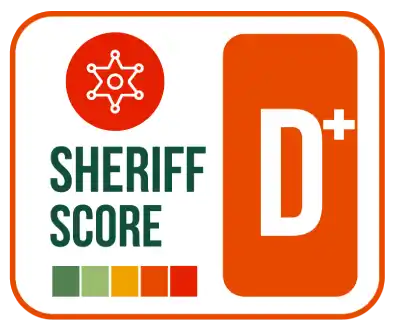
48/100
Macronutrients. Designed for dogs over 50 lb, with a lower fat density (12%) to help big frames stay lean. That focus matters enormously: lean-conditioned dogs live nearly two years longer than their overweight counterparts (4). Glucosamine from by-product meal and fish meal, plus guaranteed EPA, provide sensible joint support for heavy dogs.
Ingredients. However, corn gluten meal appears third and whole grain corn fourth, before the by-product meal and well before any concentrated named animal protein. Wheat, barley and corn germ meal follow. The animal protein share likely falls near 55 to 60%, insufficient for a food marketed as super-premium, and carbohydrates climb toward 38.5%, a level that works against the very weight control this recipe promises. At least “beef fat” names its species, and mixed tocopherols preserve it naturally.
Verdict: the joint support angle is real, the corn-heavy deck isn’t pretty. Acceptable for a large, easy-keeping adult on a budget; look elsewhere for meat-rich large-breed nutrition.
Our Opinion
Purina Pro Plan is a paradox. On the science side, it’s arguably best in class: AAFCO feeding trials on nearly every recipe, veterinary nutritionists on staff, owned US factories, guaranteed probiotics, EPA and DHA. On the ingredient side, it’s ordinary at best: poultry by-product meal, corn splitting across three or four fractions, soybean meal, menadione and sodium selenite run through the entire range. Carbohydrates hover between 31 and 38% and the protein-to-calorie ratios rarely leave the 60s.
The Sensitive Skin & Stomach Salmon line stands out as the cleanest choice, while Sport 30/20 serves genuinely hard-working dogs well despite its corn reliance. The Large Breed formula is the weakest of the group. Overall, Pro Plan sits comfortably above grocery kibbles and earns its reputation for consistency and safety, but below true high-quality brands that pair research with meat-forward, transparent ingredient decks and gentler cooking methods. If your budget allows, brands using named organ meats, air-drying or freeze-drying preserve far more of what makes food nutritious in the first place.
Purina Pro Plan: Frequently Asked Questions
Is Purina Pro Plan a good dog food?
Do vets recommend Purina Pro Plan?
Has Purina Pro Plan ever been recalled?
Why does Purina Pro Plan contain by-products and corn?
Which Purina Pro Plan formula is the best?
Is Purina Pro Plan grain-free? Should I worry about DCM?
What’s the difference between Purina Pro Plan and Purina One?
Where is Purina Pro Plan made?
References
(1) Carciofi et al. (2008). Effects of six carbohydrate sources on dog diet digestibility and post-prandial glucose and insulin response. Journal of Animal Physiology and Animal Nutrition. https://pubmed.ncbi.nlm.nih.gov/18477314/
(2) Williams et al. (2001). Effects of dietary protein on whole-body protein turnover and endocrine function in young-adult and aging dogs. Journal of Animal Science. https://www.researchgate.net/publication/11548880
(3) Hadden et al. (2022). Sphingolipids and DHA improve cognitive deficits in aged beagle dogs. Frontiers in Veterinary Science. https://www.frontiersin.org/journals/veterinary-science/articles/10.3389/fvets.2022.646451/full
(4) Kealy et al. (2002). Effects of diet restriction on life span and age-related changes in dogs. JAVMA. https://pubmed.ncbi.nlm.nih.gov/11991408/